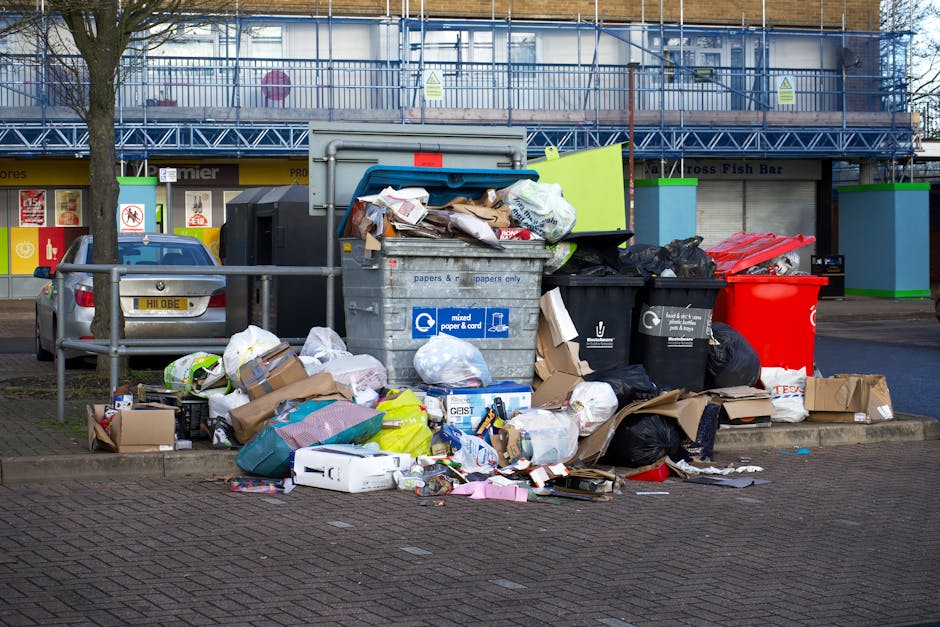
West Ham Park rubbish removal guide for local homes

If you live near West Ham Park and the rubbish is starting to pile up, you are not alone. A loft that has turned into a storage graveyard, a garage full of broken bits, or a garden clearing job that turned bigger than expected can all get messy very quickly. This West Ham Park rubbish removal guide for local homes is here to make the whole process feel clearer, calmer, and much more manageable.
Truth be told, most people do not need "more waste" in their lives; they need a straightforward plan. In the next few sections, you will find practical guidance on what rubbish removal involves, how it typically works for homes, what to avoid, and how to choose the most sensible option for your situation. No fluff. Just the useful stuff.
Why West Ham Park rubbish removal guide for local homes Matters
For local homes, rubbish removal is rarely just about throwing things away. It is about reclaiming space, reducing stress, and handling waste in a way that feels tidy, safe, and responsible. Near West Ham Park, that matters even more because many homes deal with a mix of household clutter, shared access, limited storage, and the usual London reality of not having much spare room to work with.
A clear rubbish removal plan helps when you are clearing out after a tenant moves, handling renovation leftovers, replacing old furniture, or finally tackling that room you have been ignoring for months. And let's face it, once clutter starts spreading into hallways and corners, it can affect day-to-day life more than you think. You notice it when you are trying to vacuum around it, or when visitors have to sidestep a stack of cardboard and you pretend you meant to "organise it later".
It also matters because not all rubbish is equal. General household junk, electrical items, mattresses, broken furniture, garden cuttings, and builders' debris each need a slightly different approach. Using the right route keeps the job smoother and helps you avoid unnecessary costs or headaches.
How West Ham Park rubbish removal guide for local homes Works
At home level, rubbish removal usually starts with sorting. What can be reused, recycled, donated, or disposed of separately? What is bulky? What is heavy? What might need special handling? Once that is clear, you can decide whether a skip, a man-and-van style clearance, or a full-house collection is the best fit.
For many households, a professional clearance service is the simplest option because it removes the need to lift, load, and transport the waste yourself. If you are only dealing with a small amount, a few bin bags and a broken chair, a simple collection may be enough. If you are clearing multiple rooms, a loft, a garage, or a full property, a broader service such as home clearance or house clearance is often more practical.
Here is the basic flow most local homeowners can expect:
- Identify the waste types - household waste, bulky items, garden waste, appliances, builders' rubble, or mixed rubbish.
- Separate anything sensitive or restricted - documents, chemicals, paint, fridges, or items with sharp edges.
- Estimate the volume - a few bags, part-load, or full-load.
- Choose the method - collection, clearance, skip, or specialist disposal.
- Confirm access - stairs, parking, narrow entrances, or rear access can affect the plan.
- Remove and sort - the waste should be loaded efficiently and, where possible, separated for recycling.
If the pile includes old sofas, beds, or wardrobes, you may want to look at specific services such as mattress and sofa disposal or furniture disposal. Appliances are another category altogether, so it is worth checking fridge and appliance removal when white goods are involved.
Key Benefits and Practical Advantages
The obvious benefit is having your space back. That alone can feel like a weight off your shoulders. But beyond the visual tidy-up, a good rubbish removal approach has a few other advantages that people often underestimate.
- Less physical effort - no dragging heavy items down stairs or into a vehicle you are borrowing from a friend.
- Faster turnaround - one organised collection can save a whole weekend of trips to and from disposal points.
- Cleaner rooms - clearing junk often makes cleaning and decorating easier straight away.
- Better safety - fewer trip hazards, less dust, and less chance of sharp or broken items causing trouble.
- More control - you can decide what stays, what goes, and what should be handled separately.
- Improved recycling outcomes - sorting properly means more material can be diverted from landfill or general disposal.
There is also a quiet psychological benefit. A cleared room just feels different. It sounds calmer. You can hear your own footsteps. A spare bedroom stops feeling like a storage shed with wallpaper.
If sustainability matters to you, it is worth looking at a provider's approach to recycling and sustainability. Even for simple home clearances, that mindset can make a meaningful difference.
Who This Is For and When It Makes Sense
This guide is useful for homeowners, landlords, tenants, families, and anyone trying to clear out a property without turning it into an all-day ordeal. In West Ham Park and the surrounding residential streets, the most common situations include:
- end-of-tenancy clear-outs
- moving house and dealing with leftover belongings
- decluttering a loft, garage, or spare room
- garden refreshes after hedge trimming or shed clear-outs
- small renovation jobs with leftover rubble, timber, or packaging
- replacing bulky furniture or appliances
- clearing a property after a bereavement or long period of accumulation
Sometimes the decision is obvious. A collapsing sofa, a broken fridge, and six bin bags do not really need much debate. But sometimes it is a judgement call. If you only have a small amount of waste, a skip might be too much. If you have awkward items with tight stair access, loading everything yourself might be a pain. In those grey areas, a flexible rubbish removal service is often the easiest route.
For flats, shared entrances, and upstairs properties, it is also worth thinking about neighbours and access times. A collection that is tidy, quick, and respectful tends to go much more smoothly. Nobody wants a hallway blocked with old shelving at 8am on a weekday, to be fair.
Step-by-Step Guidance
Here is a simple way to approach home rubbish removal without missing anything important.
1. Walk through the property room by room
Start with the obvious problem spots first: loft, garage, shed, spare room, under-stairs storage, and the garden. These areas usually hide more waste than people expect. You may think it is "just a few things" until you open the door and find old boxes, broken tools, and something you have not seen since 2019.
2. Separate the rubbish by type
Keep bulky furniture apart from general rubbish. Set aside anything electrical. Put hazardous or potentially messy items in their own area so they are not mixed into the main pile. This makes the collection safer and easier to handle.
3. Decide what needs specialist disposal
Some items should not be treated like normal household rubbish. Fridges, freezers, paint, chemicals, and certain building materials need more care. If you are dealing with renovation leftovers, the page on builders waste clearance is worth considering.
4. Measure the load roughly
You do not need engineering precision. A rough estimate is usually enough. Think in terms of bags, single items, half-loads, or full-loads. If the waste is awkwardly stacked, take a few photos for reference before you book.
5. Check access and parking
Access matters more than people realise. Is there a narrow staircase? A long walk from the front door? Limited parking? These details can change how a collection is planned. It is better to mention them early than to discover them on the day.
6. Book the right service
Match the service to the job. A garage full of mixed junk may suit garage clearance. A house full of unwanted items may call for house clearance. A one-room declutter may be simpler than you think.
7. Final sweep and handover
Before the crew arrives, do one last look for anything you want to keep. Small valuables, passports, paperwork, keys, chargers, and keepsakes are easy to overlook. Once the job starts, it moves quickly. Blink and a shelf you meant to save may already be on the truck.
Expert Tips for Better Results
Small decisions make a big difference with rubbish removal. Here are the habits that save time and reduce stress.
- Take photos before you book - this helps explain what needs removing and avoids misunderstandings.
- Sort before collection day - a little prep usually means a smoother, quicker job.
- Keep recyclables separate where possible - cardboard, metal, and some clean materials are easier to manage that way.
- Label anything you want to keep - especially in shared rooms, cellars, lofts, or cluttered garages.
- Bundle similar items together - for example, put all garden waste in one area and all furniture in another.
- Ask about awkward items early - mattresses, fridges, and heavy appliances are better discussed in advance.
One practical tip that often gets overlooked: do the most tiring sorting when you still have energy. Sounds obvious, but after half an hour of dragging dusty boxes around a loft, your judgement goes funny. Better to tackle decisions early, not when you are tired and tempted to throw everything into one mountain and hope for the best.
If your home project involves a lot of mixed waste, a more general waste removal service may be a better fit than trying to break everything into too many separate jobs.
Common Mistakes to Avoid
A few avoidable mistakes can make home rubbish removal more expensive, slower, or more stressful than it needs to be.
- Mixing hazardous items with general waste - this is one of the biggest problems. Paints, solvents, batteries, and similar items need proper handling.
- Underestimating the volume - what looks like "a few bags" can turn into a van-full once it is all on the driveway.
- Not checking item restrictions - fridges, mattresses, and some electrical goods often need specific disposal routes.
- Forgetting access issues - parking, stairs, and tight doors can affect timing and labour.
- Leaving valuables in the pile - old boxes sometimes contain paperwork, photos, or bits and pieces you will miss later.
- Trying to do everything in one go without sorting - that approach usually creates more mess before it creates less.
Another mistake is assuming every item can go anywhere. It cannot. For example, if you are clearing a kitchen or utility room, an old appliance may need special handling rather than standard disposal. Likewise, if you are clearing confidential paperwork, a service such as confidential shredding may be the sensible route.
Tools, Resources and Recommendations
You do not need a truckload of equipment to get organised, just a few sensible basics.
- Heavy-duty bin bags - useful for loose household rubbish and light clutter.
- Gloves - especially if you are handling dusty loft items, garden waste, or broken pieces.
- Marker pens and labels - simple, but very helpful when sorting keep, donate, recycle, and remove piles.
- Tape measure - useful if you are checking whether large items will fit through doors or down stairs.
- Phone camera - handy for taking inventory photos before booking a collection.
- Cardboard boxes or storage crates - good for separating small reusable items from pure waste.
For many households, it also helps to understand what is suitable for different disposal options. If you are considering a skip, take a look at what can go in a skip so you do not accidentally mix unsuitable material into a load.
If you are mainly removing old furniture, a focused service like furniture clearance can be more efficient than a general collection. And if the garden has become a jungle after a long spell of no maintenance, garden clearance may be the better route. Simple as that.
Law, Compliance, Standards, or Best Practice
For home rubbish removal in the UK, the main thing is to make sure waste is handled responsibly and passed to a legitimate operator. As a homeowner, you do not need to become a legal expert, but you should know the basics: waste should not be fly-tipped, burned in the garden, or handed to someone who cannot clearly explain how it will be handled.
Best practice usually includes:
- keeping hazardous or specialist waste separate
- using a provider that can explain how waste is managed
- being careful with items that contain sharp, electrical, or chemical components
- checking that the operator has suitable insurance and safety procedures
- keeping paperwork or confirmation where appropriate
For larger clearances, especially where heavy lifting, stairs, or awkward access is involved, it is sensible to check the provider's approach to insurance and safety. You may also want to review their health and safety policy if the job has more moving parts than usual.
Compliance is not about making things complicated. It is about doing the right thing without drama. And really, that is the whole point.
Options, Methods, or Comparison Table
Choosing the right method depends on how much waste you have, how accessible it is, and how much labour you want to take on yourself. Here is a simple comparison to help.
| Method | Best for | Pros | Watch out for |
|---|---|---|---|
| Bag-and-bin approach | Very small amounts of household rubbish | Cheap and simple for light clear-outs | Slow for bulky or heavy waste |
| Skip hire | Projects with steady ongoing waste | Good for DIY jobs and mixed materials | Needs space, loading effort, and item checking |
| Man-and-van rubbish removal | Bulky items and fast one-off clearances | Less lifting for you, quick turnaround | Price can depend on access and load size |
| Room-by-room home clearance | Lofts, garages, flats, and whole-house jobs | Most convenient for larger clearances | Needs clear instructions about keep and remove items |
For a lot of local homes, the decision comes down to convenience versus control. If you want to do the loading yourself and the waste is not too awkward, a skip or DIY option may work. If you want the mess gone quickly without back-breaking lifting, a clearance service is usually the calmer choice.
For specific item types, it may be smarter to use a dedicated service. A mattress does not behave like general rubbish, and neither does a broken freezer. This is where the more focused pages, such as mattress and sofa disposal, can be useful.
Case Study or Real-World Example
A typical local scenario goes something like this. A family in a terrace near West Ham Park decides to clear out the loft before repainting the upstairs rooms. At first glance, it seems manageable: a few Christmas decorations, an old suitcase, some boxes of school books, a damaged wardrobe door. Not a big deal.
Then they actually start sorting. There are three broken chairs, old toys, a dusty fan, several bags of mixed clutter, and a mattress that has been sat there for years "just in case". The loft hatch is awkward, the stairs are narrow, and every item has to come down one by one. By the time they reach the fifth trip, everyone is done with it.
Instead of turning it into a weekend battle, they group the items into keep, recycle, and remove piles, set aside the appliance and furniture pieces, and arrange a broader clearance. The result is quicker than expected, less stressful than expected, and much cleaner. The room is clear, the painting starts on time, and the family gets their loft back. Nothing magical. Just a sensible process.
That is usually the real difference with rubbish removal: not the size of the job, but the smoothness of the plan.
Practical Checklist
Use this checklist before your home rubbish removal appointment or skip hire date.
- Walk through the space and list everything that needs removing.
- Separate rubbish, furniture, appliances, garden waste, and anything hazardous.
- Check for items you want to keep but may have forgotten about.
- Take photos of the load if you need help estimating volume.
- Measure access points, stairways, and any narrow entrances.
- Confirm parking or loading space if relevant.
- Put aside paperwork, keys, chargers, and valuables.
- Decide whether a general clearance or item-specific service is better.
- Review whether any items need specialist handling.
- Have a final sweep through before the removal starts.
Quick expert summary: the best rubbish removal jobs are the ones that are sorted early, described clearly, and matched to the right disposal method. That is where most of the time savings happen.
Conclusion
For local homes, rubbish removal works best when it is practical, honest, and tailored to the actual job in front of you. Near West Ham Park, where space can be tight and access can be awkward, a little planning goes a long way. Whether you are dealing with a few bulky items, a full room of clutter, or a mixed clearance after decorating, the goal is the same: get the mess out safely and without turning the day into a saga.
Choose the method that fits the waste, separate anything special, and do not overcomplicate the process. If in doubt, sort first and book second. That simple order saves so much hassle. And yes, your future self will thank you when there is not a half-collapsed pile of old bits still sitting in the hallway three days later.
If you are ready to clear the space and move on, take the next step with confidence.
Get a free quote today and see how much you can save.
Frequently Asked Questions
What is the best rubbish removal option for a home near West Ham Park?
It depends on the amount and type of waste. Small amounts may suit a simple collection, while larger or mixed household clearances often work better with a full home clearance or specialist item disposal.
Can I mix furniture, bags of rubbish, and old appliances in one load?
Sometimes yes, but it depends on the provider and the item types. Appliances, mattresses, and some bulky items can require separate handling, so it is best to mention everything upfront.
How do I know whether I need a skip or a rubbish removal service?
If you want to load waste yourself over time, a skip may suit you. If you want the items collected quickly with less lifting, a rubbish removal or clearance service is usually easier.
What should I do with old mattresses and sofas?
These are bulky items and are often better handled through a dedicated disposal route rather than general household rubbish. A specific service for mattresses and sofas can make the job smoother.
Do I need to sort recyclable items before collection?
You do not always have to, but it helps. Separate cardboard, metal, and reusable items where possible. It can make the whole process cleaner and more efficient.
Can rubbish removal help with loft or garage clearances?
Yes. In fact, lofts and garages are two of the most common places where a proper clearance service saves time and effort. They tend to hide more clutter than people expect.
How far in advance should I book?
For a straightforward home clearance, not always very far. Still, booking in advance helps if you have access constraints, a specific moving date, or a larger amount of waste.
What happens if I have paint, chemicals, or other hazardous waste?
Hazardous items should be handled separately. Do not mix them with general rubbish. Mention them clearly when arranging the job so they can be dealt with properly.
Is it okay to leave rubbish on the pavement before collection?
Not unless you know it is allowed and properly arranged. Leaving waste out incorrectly can create safety issues and may lead to problems with neighbours or local rules.
What if I only have a few bulky items to remove?
That is very common. A small-load collection or furniture-specific disposal is often the most practical option, especially if the items are heavy or awkward to move.
Does rubbish removal include recycling?
It often does, depending on the provider and the material types. Many services aim to separate recyclable material wherever possible rather than treating everything as mixed waste.
What details should I share before booking?
Share the waste type, approximate quantity, any heavy or fragile items, access issues, parking limits, and whether anything needs special handling. The more accurate the information, the smoother the collection tends to be.