Commercial Waste Removal in West Ham
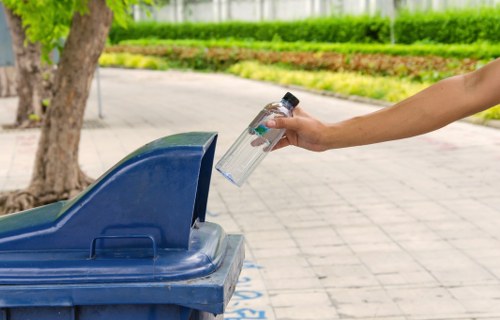
Commercial waste removal in West Ham needs to be practical, well organised and suited to day-to-day business activity. We handle the collection and removal of mixed commercial waste with a focus on keeping premises clear, usable and ready for work. That can include routine office rubbish, packaging, bulky items and other non-hazardous waste streams that build up around trading spaces, so businesses can keep operations moving without clutter taking over storage or circulation areas.
Our approach is built around straightforward waste clearance rather than a one-size-fits-all service. Different sites create different types of waste, and the right solution depends on what is being removed, how it is stored and how it needs to be handled. We work across common commercial settings such as offices, shops, workshops, hospitality premises and managed properties, with removal arranged to suit the type of material and the access available.
If you need commercial waste removed in West Ham, tell us what needs clearing and we will help you request a quotation. For a quicker start, you can also prepare a brief list of the main items before you enquire.
Business Waste Collections for Working Premises
Regular business waste quickly affects presentation and day-to-day efficiency. Cardboard, shrink wrap, broken furniture, old files and general mixed rubbish can build up in corners, back rooms and loading areas. Our business waste removal service is intended to clear those materials so your premises remain easier to organise and safer to move through. It is useful for businesses that need a responsive clearance rather than a long internal handling process.
We can deal with waste that arises from normal trading activity, refurbishments to occupied premises and temporary clear-outs before relocations or handovers. In practice, that often means sorting what can be taken away, identifying items that require separate handling and removing bulky objects that are awkward to manage in-house. Business waste removal is the most relevant option when the job centres on routine commercial rubbish rather than a household-style clearance.
What is commonly removed
Typical commercial collections may include desks, office chairs, shelving, sacks of rubbish, archived paperwork for confidential handling where appropriate, packaging waste and end-of-line stock. If a site has multiple waste types, keeping them organised before collection can save time on the day. Useful preparation is usually simple:
- separate obvious recycling from general rubbish where practical;
- identify any heavy or awkward items that need lifting support;
- note access limits such as narrow corridors, stairs or restricted loading areas;
- mention whether waste is inside, in a yard or in a storage room.
Office Clearance, Furniture and Confidential Items
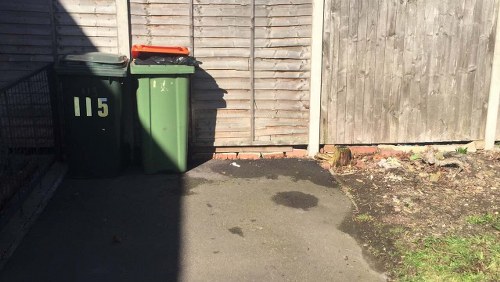
Office spaces often generate a mix of waste that needs more than a basic rubbish collection. Old desks, storage units, monitors, boxes of paperwork and worn seating can accumulate during reorganisations, staff moves or lease changes. Our office clearance work is aimed at removing those items in a controlled way so the workspace can be reset efficiently. When furniture is the main issue, the clearance may be combined with item-specific disposal to keep the removal organised.
For larger furnishings or mixed loads, a structured plan helps the collection run smoothly. Furniture removal from offices is often about sequence as much as volume: lighter items can be cleared quickly, while larger cabinets, meeting tables or reception pieces may need a different lifting approach. If the waste includes documents or storage media, confidential shredding is a useful related service to consider alongside the main clearance, especially where paperwork cannot simply be placed into general waste.
It is also worth thinking about whether a room-by-room clearance or a whole-floor removal is more appropriate. A targeted approach can be useful for a single department, while a broader removal may suit end-of-tenancy or reconfiguration work. Office clearance suits businesses that need the contents of a work area removed in one organised operation rather than handled item by item over a long period.
Bulky Items, Furniture and Appliance Disposal
Not every commercial waste job is made up of bags and loose rubbish. Premises often need larger items taken away, such as broken seating, worn reception furniture, damaged storage units or redundant appliances from kitchens and staff areas. These items are awkward to move and can quickly absorb time if they are handled without a plan. Our service covers the removal of bulky waste so these items can be taken away efficiently and in a way that suits the site layout.
Where furnishings are the main problem, it is helpful to match the removal method to the item type. Sofas, chairs and mattresses are handled differently from metal shelving or office cabinets, and appliances need sensible treatment because of their weight and materials. Furniture disposal is suitable where the focus is on getting rid of individual items or mixed furniture waste, while fridge and appliance removal fits jobs involving white goods and other electrical or cooling equipment.
Some businesses also need clearance from customer-facing spaces, such as waiting areas, showrooms or hospitality venues. In those cases, removal has to be done with care so the remaining space stays orderly. Furniture clearance can support that kind of work when multiple pieces need taking away together and the aim is to leave the room ready for re-use.
Waste From Property and Storage Clearances
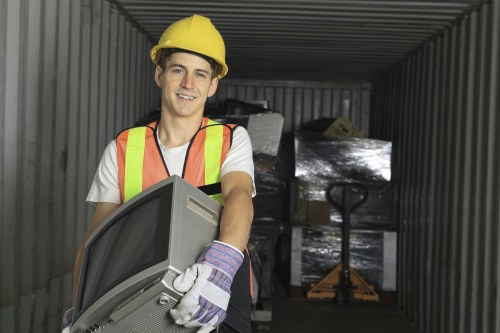
Commercial waste is not always confined to desks and shop floors. Many businesses need help with storage rooms, loft spaces, garages, back offices and unused areas that have slowly filled with redundant items. These spaces can become difficult to access when broken fixtures, archives, packaging and out-of-date stock are left in place. We provide clearances that are suited to those built-up areas, helping the property become more practical again.
Depending on the layout, a property clearance may involve loft access, garage contents, flat contents tied to commercial ownership or items left behind after occupation changes. The important point is to remove waste in a controlled way without disrupting the rest of the building. Loft clearance and garage clearance are relevant where the waste is concentrated in an upper storage space or a service area rather than in the main trading rooms.
Where premises need a broader clear-out, we can also support larger internal removals. Home clearance and house clearance are mainly residential in tone, but the same site can sometimes involve mixed property contents that need sorting into the most suitable clearance category. The key is to match the work to the actual waste stream, not simply to the building type.
Outdoor, Garden and Site-Edge Waste
Some commercial properties generate waste outside the building itself. Outdoor areas can collect broken planters, timber, soil, garden cuttings, damaged furniture, packaging and general refuse left around service entrances or yards. That material often needs quick attention because it affects appearance, access and sometimes the safe use of external routes. Our garden and outdoor waste removal helps clear those spaces so they can be used properly again.
The service is useful for premises with courtyards, landscaped frontage, bin stores or small maintenance areas that are not handled by routine cleaning teams. Green waste and outdoor rubbish may need separate consideration from standard commercial waste, particularly if there is a mix of organic material and man-made debris. Garden clearance is the most suitable destination when the job is centred on plant growth, cuttings or outdoor clearance work.
For sites that also need general waste handling, outdoor rubbish can be removed together with other unwanted materials if the load is suitable. We do not treat garden waste as a special case unless the material itself requires it; instead, the aim is to keep the collection practical, tidy and proportionate to what the premises actually need removed.
Pricing Factors, Access and Collection Planning
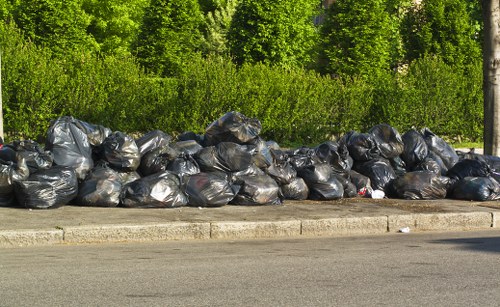
The cost of commercial waste removal depends on several practical factors rather than on a single fixed rule. The type of material matters, because light rubbish, heavy furniture and specialist items all affect handling time and disposal options. Volume is important too, as is access to the waste, the number of items involved and whether anything must be separated before collection. Clear information at the outset helps produce a more accurate quotation.
Access is often the difference between a simple collection and a more involved one. Stairways, lifts, narrow corridors, loading restrictions and limited waiting space can all influence how a job is arranged. If the waste is spread across several rooms, a basic description of the layout is helpful. You do not need to write a long brief; a short note with the main items, the floor level and any access limits is usually enough to begin. Pricing and quotes is the best place to review how a quotation request is handled.
When you are ready to ask for a price, it helps to mention whether the waste is a one-off clear-out or part of a larger change such as refurbishing, moving premises or closing a storage area. Accurate information allows the quotation to reflect the actual work rather than a rough guess. If you prefer to organise the visit first and finalise the details through a booking step, book online gives a simple way to move the process forward.
Recycling, Responsible Handling and Waste Types
Commercial waste removal is not only about taking items away; it is also about handling them in a way that suits the materials involved. Offices and business premises often generate cardboard, paper, plastic packaging, metal fittings, timber and electrical items, all of which may need different treatment. We aim to keep the process sensible by separating common recyclable materials where practical and by avoiding unnecessary mixed disposal.
Some waste types need more care than ordinary rubbish. Items such as refrigerators, appliances, sharps, chemicals or other specialist materials should not be treated casually, and some of them may require dedicated handling routes. Where a waste stream is more sensitive, it is better to describe it clearly rather than assume it can be added to a general collection. Hazardous waste disposal is the relevant destination for material that needs particular attention because of its contents or regulatory handling.
Responsible handling also includes considering what can be reused or diverted from disposal where a client wants that approach. Even when the main job is simple clearance, thoughtful sorting can reduce unnecessary waste and make the overall process more efficient. If your site produces a recurring mixture of business rubbish and recyclable material, we can discuss the most suitable way to manage that without overcomplicating the collection.
About West Ham
West Ham is a district in East London with a long industrial and civic history shaped by the Lea Valley, the River Thames corridor and the wider development of the East End. Historically part of Essex, it grew from a small settlement into an urban area during the nineteenth century as dock-related trade, railway links and manufacturing transformed the landscape. Today it sits within the London Borough of Newham and forms part of a densely built area where older residential streets, post-war estates and newer developments exist alongside busy transport routes. West Ham station is an important interchange, served by London Underground, Docklands Light Railway and National Rail, which reflects the area’s role in regional movement rather than simply local travel. The district is also close to the Queen Elizabeth Olympic Park, an internationally known sporting and leisure landscape that reshaped neighbouring parts of Stratford and the Lower Lea Valley after the 2012 Games. Although much of the original industrial fabric has changed, traces of earlier settlement and infrastructure remain in places such as street alignments, religious buildings and surviving public houses. The area’s identity is tied to the broader history of East London: migration, labour, transport and urban reinvention have all left visible marks. Nearby open spaces and waterways, including sections of the River Lea system and connected canals, add another layer to the local geography, while the mix of old and new architecture gives West Ham a character that is both practical and historically layered.
Commercial Clearances for Ongoing and One-Off Needs
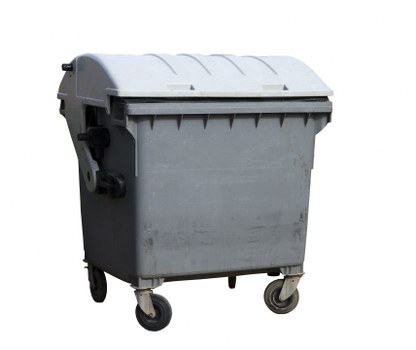
Many businesses need waste removed more than once, even if the exact reason changes. One week it may be packaging from a stock delivery, another time it may be office furniture, broken fixtures or accumulated storage waste. Our commercial waste removal service is designed to stay flexible enough for that reality. Rather than forcing every job into the same template, we focus on the actual waste present and the way the premises are used.
That flexibility is helpful for property managers, tradespeople, retailers, landlords and organisations that operate from shared or changing spaces. It can also support planned transitions such as refurbishments, vacancy preparations and internal reorganisations. About us gives a little more background for clients who want to understand the wider business before requesting work, while still keeping the main focus on the clearance itself.
When you are ready, contact us to request a quotation for commercial waste removal in West Ham. Tell us what needs clearing, and we will help you take the next step.